Case study

How Extropic took thermodynamic computing to an audience of 800K+
The founder of e/acc doesn't do quiet launches. Extropic's summer update, seven chapters in seven minutes forty, put Torx, Thermalizers and the Z1 chip in front of the most technical crowd on X.
- Views on X
- Likes on X
- 3.5K+
- In planned CHIPS R&D funding from the US Department of Commerce
- $75M
Extropic × EPTA
Extropic is building a new kind of computer. Where conventional chips fight the noise in silicon, Extropic's use it: thermodynamic sampling units made of probabilistic bits, built to deliver more intelligence per watt for generative AI.
Guillaume Verdon, who worked on quantum machine learning at Alphabet X and Google, founded it in 2022, and it raised a $14.1 million seed round led by Kindred Ventures.
Beff Jezos
On X, Guillaume is Beff Jezos, founder of effective accelerationism, or e/acc, the techno-optimist movement rooted in thermodynamics. Forbes revealed the person behind the account in 2023, and it now has more than 280,000 followers: an audience waiting for the launch before the film existed.
The brief
Six days before the update, Extropic signed a letter of intent with the US Department of Commerce for up to $75 million in CHIPS R&D funding, to scale its chips and build them in American fabs. The summer update had to show what that backing was behind.
Its job was to move thermodynamic computing from a promising chip to a platform people could build on: software released that day, an early-access API, and a production chip headed to the fab. It is one of the hardest propositions to communicate anywhere in AI hardware, and the audience it matters most to is exactly the audience least willing to accept hand-waving.
The film
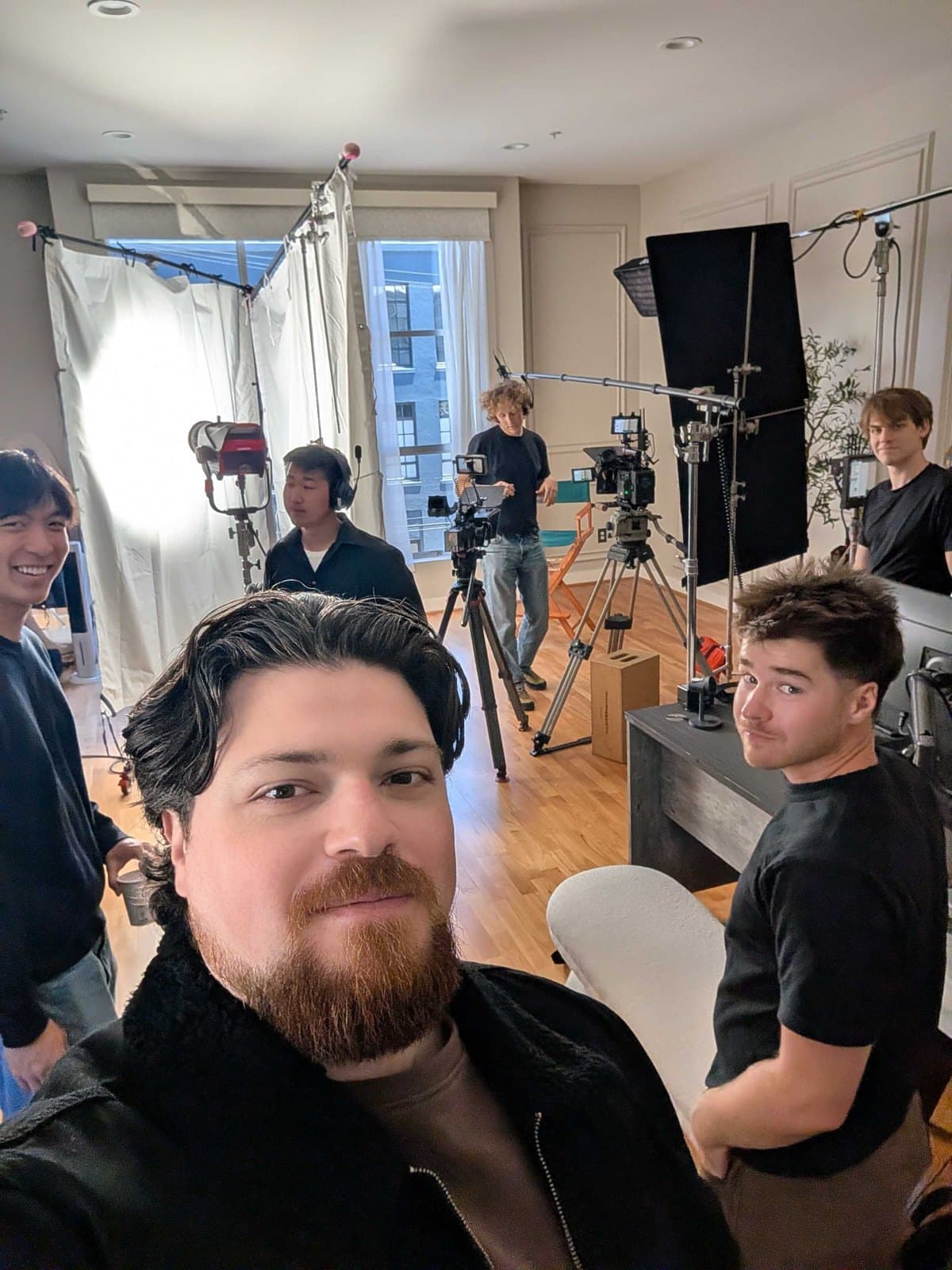
We shot it on location in San Francisco with our filming partners there: a full crew, cinema cameras and a set built for a launch this interesting.
Thermodynamic Computing: From One to One Billion runs seven minutes forty in seven chapters. It introduced Torx, an open-source framework for stochastic programs that Extropic frames as its PyTorch; Thermalizers, which compile those programs onto thermodynamic chips; an early-access API; and Z1, the first production-scale chip, taped out that day with 269,568 pbits drawing under a watt.
We built it as a progress report rather than a pitch, walking through what the team had actually built at a level of technical honesty this audience would respect. The pacing gives the difficult ideas room instead of cutting away from them.
Extropic is doing things no one in the world has done before, so their input was crucial. If the film carried credits, they would be split down the middle: half EPTA, half Guillaume and his team, who put their minds into helping us get the physics right, down to animating a thermodynamic formula.
The launch
Extropic posted the film on 4 August with its chapter list. Twenty-eight minutes later Guillaume shared it from @beffjezos with his own summary.
Across the two posts the film has passed 800,000 views on X.

Thermodynamic Computing: From One to One Billion 0:04 - Intro 1:22 - Recap 2:04 - Torx 3:37 - Thermalizers 4:42 - Hardware 6:45 - API 7:25 - Conclusion
 7:40
7:40Aug 4, 2026
- 340K+
- Views
- 1,216
- Likes
- 145
- Reposts
- 95
- Replies

Major update from us @extropic Announcing Torx and Thermalizers, basically our version of PyTorch + kernels, but for Thermo hardware Also: Z1 is now taped out and in fabrication! Will be available on 0.5M pbit sticks, and 4M pbit PCIe cards +1 more thing at the end... enjoy!
7:40Aug 4, 2026
- 460K+
- Views
- 2,293
- Likes
- 206
- Reposts
- 180
- Replies
“Reception is overwhelmingly positive! Congrats guys!”
 Guillaume VerdonCEO, Extropic
Next launch
Planning a launch?
Tell us what is launching and when. Thirty minutes is usually enough to know whether we are the right team for it.